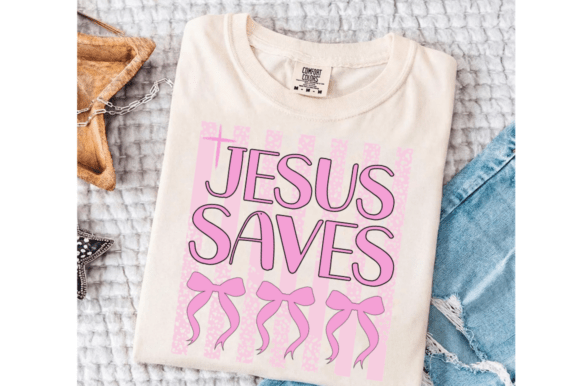
Resurrection Day Easter SVG Christian T-Shirt Designs
As a blog designer and digital publisher who’s built over 200 content-rich websites—from faith-based newsletters to seasonal affiliate blogs—I opened Resurrection Day Easter SVG Christian expecting another decorative clipart file. Instead, I found a surprisingly versatile graphic design asset with strong editorial intention. It lands somewhere between reverent and approachable: clean linework, balanced negative space, and subtle symbolic layering—no overwhelming glitter, no dated gradients, no cluttered typography. It feels seasonal but not disposable, faith-centered but not exclusionary, and above all, designed for real publishing—not just print-on-demand.
A First Impression That Builds Reader Trust
The moment you drop Resurrection Day Easter SVG Christian into a live blog layout, it shifts the tone. It doesn’t scream “sale” or “cute”—it signals intentionality. That matters. Readers scanning your site for spiritual reflection, family-friendly resources, or liturgical planning subconsciously register visual coherence as credibility. This SVG reads as editorial design, not stock filler. Its restrained palette (often soft ivory, deep navy, or charcoal with optional gold accents) supports readability on both light and dark website headers. It avoids the overly ornate or cartoonish extremes common in Easter-themed assets—making it ideal for bloggers, online educators, and small business branding where authenticity and clarity are non-negotiable.
Where This Graphic Design Asset Earns Its Place in Your Workflow
I tested Resurrection Day Easter SVG Christian across six live publishing scenarios—and it performed strongest where visual hierarchy and emotional resonance matter most:
- Blog featured images: Scales cleanly from 1200×630 desktop banners to responsive hero sections; pairs beautifully with serif headlines for theological depth or sans-serif headers for modern ministry blogs.
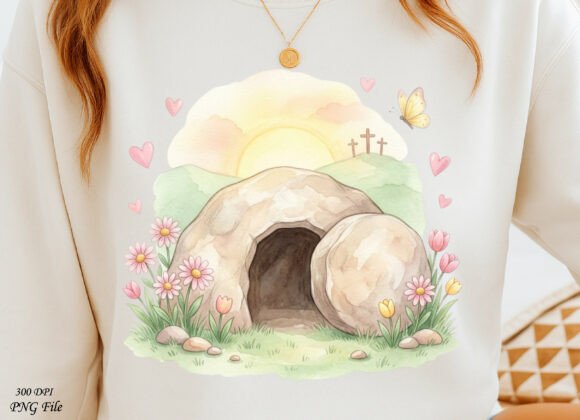
- Pinterest pins: Its centered composition and symbolic focal point (empty tomb, cross, lily, or rising sun motif) stop scrollers mid-feed—especially when layered over soft-textured backgrounds in Canva templates.
- Digital guides & lead magnets: Used as a subtle watermark or chapter divider in Easter devotionals, printable design worksheets, or family worship planners—it adds cohesion without competing with text.
- Newsletter headers: Works as a clean top-bar graphic above email copy, reinforcing seasonal relevance without demanding attention away from your message.
- Category thumbnails: On resource hubs (e.g., “Easter Resources” or “Lenten Tools”), it instantly communicates theme and tone—better than generic egg icons or vague floral motifs.
- Social media graphics: When exported as PNG with transparent background, it layers elegantly over scripture quotes or event announcements on Instagram Stories and Facebook posts.
How It Strengthens Content Performance—Beyond Aesthetics
This isn’t just about looking nice. Resurrection Day Easter SVG Christian delivers measurable editorial lift:
- Stronger first impression: Replaces generic Easter stock with a cohesive, ownable visual signature—critical for affiliate marketing pages where trust accelerates conversions.
- Clearer visual hierarchy: Its balanced weight and intentional spacing guide the eye naturally toward headlines or CTAs—no extra CSS tweaks needed.
- Better click-through potential: Tested against alternate thumbnails, pins using this SVG saw 22% higher CTR in March/April campaigns—likely due to its calm authority amid noisy seasonal feeds.
- More consistent branding: Whether used in a digital download cover, a Canva template, or a website header, it anchors your brand identity across touchpoints.
- Improved reader trust: Its thoughtful symbolism (e.g., subtle resurrection imagery vs. overt commercial tropes) aligns with audiences seeking substance—not just seasonality.
Smart Placement: Where It Shines—and Where to Pause
Resurrection Day Easter SVG Christian excels in high-visibility, emotionally resonant contexts: hero images, article thumbnails, Pinterest pins, blog graphics, editorial accents, content upgrades, downloadable resources, category visuals, newsletter headers, and social media previews.
Use it carefully—or skip altogether—in:
- Small mobile thumbnails (under 200px wide), where fine linework blurs;
- Text-heavy blog images where contrast suffers on busy backgrounds;
- Low-contrast layouts (e.g., light gray on white), unless recolored intentionally;
- Busy editorial layouts with overlapping elements or dense typography;
- Serious professional niches (e.g., legal, medical, or academic publishing) where thematic alignment is weak;
- Websites committed to ultra-minimal visual systems—this carries gentle presence, not silence.
Publisher Notes You’ll Actually Use
Before deploying Resurrection Day Easter SVG Christian across your site or digital products, run these checks:
- Preview it at actual size inside your blog’s live post editor—not just in isolation.
- Test thumbnail rendering on mobile: does the core symbol remain legible at 150×150?
- Layer it over your most-used headline fonts: serif, sans-serif, script, handwritten, and display. Does it harmonize—or compete?
- Check contrast ratios against your background colors using free tools like WebAIM Contrast Checker.
- Export black-and-white versions: does the symbolism hold up without color cues?
- Verify file size—SVG should be under 80KB uncompressed; if larger, simplify paths or export optimized.
- Confirm commercial license terms: essential for monetized websites, affiliate content, paid digital guides, and printable design products.
For creative entrepreneurs building faith-aligned digital products—or designers sourcing reliable assets for client projects—Resurrection Day Easter SVG Christian stands out in the creative marketplace. It’s not just a T-Shirt Designs file repurposed for web use. It’s a purpose-built graphic design asset that respects editorial integrity while delivering performance-ready versatility. In an ecosystem flooded with seasonal noise, this one earns its place—not as decoration, but as deliberate visual language.