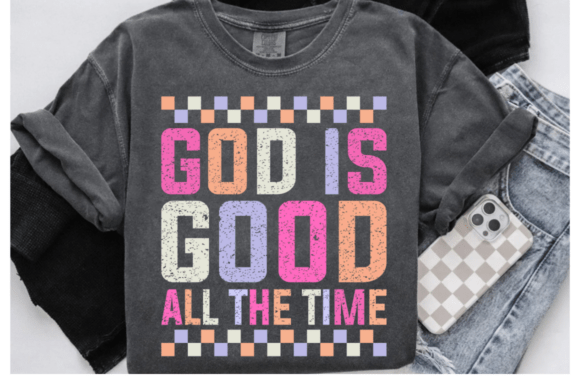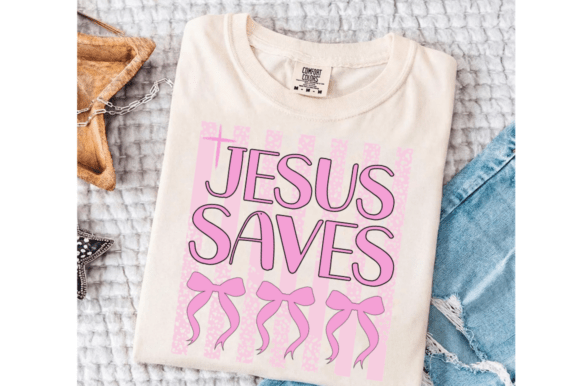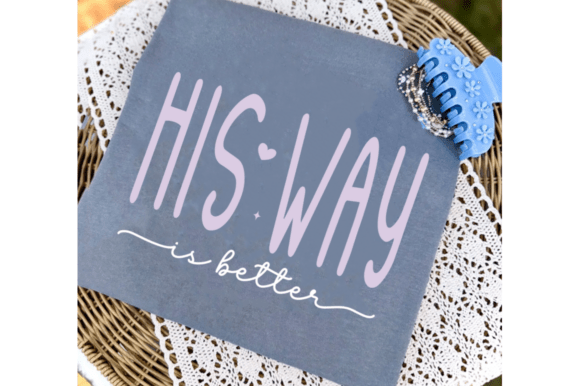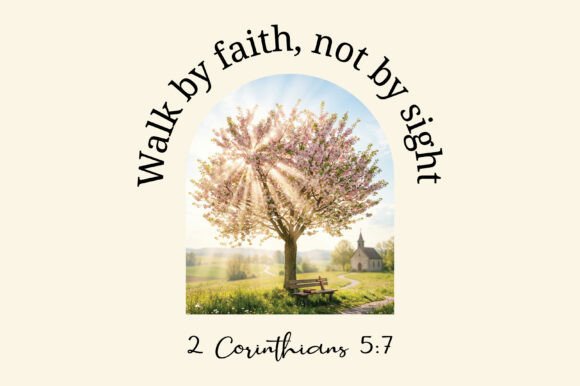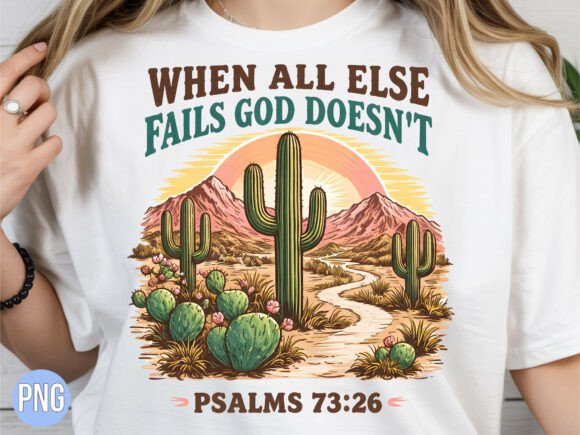
God Doesn’t Fail Psalms Cactus Christian T-Shirt Designs
As a brand designer who’s helped over 200 local businesses—from desert-inspired skincare studios to family-run coffee roasters—build cohesive, shelf-ready identities, I recently evaluated God Doesn’t Fail Psalms Cactus Christian for real-world application. Not as a generic clipart download, but as a functional graphic design asset for small business branding, product packaging, and promotional material. Here’s how it holds up—not in theory, but on a soap label, a bakery bag, a candle hang tag, and an Instagram story.
A First Impression That Feels Grounded, Not Generic
At first glance, God Doesn’t Fail Psalms Cactus Christian lands with quiet confidence: warm earth tones, subtle cactus line work, soft script lettering, and intentional negative space. It reads as organic, reverent, and regionally rooted—not flashy or trend-chasing. This isn’t bold streetwear energy; it’s the kind of visual warmth you’d expect from a Tucson-based botanical apothecary or a Nashville boutique selling handmade linen prayer cloths. The mood is calm, grounded, and gently uplifting—ideal for brands that value authenticity over algorithmic appeal. It feels handmade without looking amateurish, spiritual without being prescriptive, and locally resonant without relying on clichés.
Where It Strengthens Real Local Business Branding
In practice, God Doesn’t Fail Psalms Cactus Christian works hardest where emotional resonance meets physical touchpoints. For a small-batch candle brand launching a “Desert Grace” collection, it became the hero graphic on kraft box wraps—scaled large behind hand-stamped batch numbers. For a family-owned coffee shop in Phoenix, it appeared as a delicate watermark on receipt paper and as a foil-stamped accent on ceramic mug sleeves. It’s equally effective on product labels (soap, honey, herbal tea), thank-you cards tucked into online orders, and seasonal campaign banners for Easter or Advent—especially when paired with natural textures like uncoated paper, linen, or matte laminate finishes.
This graphic design asset supports stronger first impressions by anchoring otherwise minimal packaging in meaning. It improves product recognition because its cactus motif and gentle typography create visual consistency across stickers, social media graphics, and website banners—even when used at different scales. Most importantly, it contributes to clearer visual hierarchy: when placed beside clean sans-serif brand names or handwritten ingredient lists, it acts as a decorative anchor—not competing, but complementing.
Smart Applications Across Touchpoints
- Product labels & packaging accents: Works beautifully as a secondary brand mark beneath a primary logo—especially on jars, tins, or cotton drawstring bags.
- Hero graphics & decorative brand elements: Ideal for website banners, email headers, and printable inserts in subscription boxes.
- Social media graphics & promotional ads: Scales well for Instagram carousels and Facebook event covers—particularly when layered over desert-toned photography.
- Thank-you cards & seasonal packaging: Adds sincerity without clutter; perfect for holiday gift sets or baptism/welcome bundles.
- Boutique visuals & product mockups: Renders cleanly in Canva templates and professional mockup tools—great for Etsy listings or wholesale pitch decks.
Where to Use It Thoughtfully
While versatile, God Doesn’t Fail Psalms Cactus Christian isn’t universal. Avoid placing it directly on formal corporate branding—like law firm stationery or medical wellness certifications—where neutrality and authority take priority. It shouldn’t dominate very small labels (under 1.5” width) where legibility suffers, nor should it sit atop crowded packaging layouts already filled with ingredients, certifications, or legal disclaimers. On low-contrast backgrounds (e.g., light tan on cream), test readability carefully. And if your brand leans into luxury minimalism—think monochrome serif systems and marble textures—this asset may soften your positioning more than intended.
Practical Brand Designer Notes
Before locking it into your brand identity system, run these checks:
- Test it on real packaging mockups—especially kraft paper, recycled board, and matte-finish fabric tags.
- Check black-and-white usage: does the script remain legible when converted to grayscale for stamping or embossing?
- Preview it on small labels (1”–2”)—some fine-line cactus details may blur at tiny sizes.
- Test it with your full brand color palette—not just the default tones—to ensure harmony with your primary and secondary hues.
- Compare it side-by-side with competitor packaging in your category. Does it stand out with sincerity—or blend into expected tropes?
- Review print quality: confirm whether the SVG design retains crisp edges at large scale, and whether the PNG design has clean transparency for layered applications.
- Test it beside key font pairings—serif (for elegance), sans-serif (for clarity), script (for warmth), and display fonts (for impact).
- Verify commercial licensing before using it for client work, physical product sales, or any trademarked brand identity. This is not just clipart—it’s a commercial design asset requiring proper rights clearance.
Why It Fits Small Business Branding So Well
What makes God Doesn’t Fail Psalms Cactus Christian especially valuable for local business owners is its balance of meaning and usability. It’s not just decoration—it’s a shorthand for values: resilience, rootedness, quiet faith, and regional pride. For a handmade soap business sourcing local prickly pear oil, it becomes part of the story—not an afterthought. For a children’s ministry gift shop, it adds heart without overwhelming young eyes. For a food label, it signals care and craft long before the customer reads the ingredients.
In a landscape saturated with AI-generated fluff and overdesigned templates, this asset stands out by doing one thing well: supporting genuine connection. It elevates packaging design without demanding attention. It deepens brand identity without requiring explanation. And whether used on a T-Shirt Designs rollout, a candle label, or a social media graphic, it helps small business branding feel human, intentional, and quietly confident.